By Black Wheat Team | Last updated: November 2026
In the whole grain vs whole wheat question, the simple answer is this: whole wheat is one type of whole grain. “Whole grain” means any grain eaten with all three parts of the kernel, including wheat, oats, brown rice, barley, rye and corn. “Whole wheat” means that grain is specifically wheat. So all whole wheat is whole grain, but not all whole grain is wheat. Multigrain is a different thing again, and it’s often not whole grain at all. For more on the flour itself, see our whole wheat flour guide.
Key Takeaways
• Whole grain = any grain with bran, germ and endosperm intact. Whole wheat = whole grain wheat.
• Multigrain only means “more than one grain”. Those grains can be refined.
• On labels, look for “100% whole grain” or “100% whole wheat” with a whole grain listed first.
• Whole wheat and most whole grains contain gluten. Oats, rice, corn and quinoa are naturally gluten-free.
What is the difference between whole grain and whole wheat?
Whole grain is a broad category that includes any cereal grain eaten with its bran, germ and endosperm, such as oats, brown rice, barley, rye, corn and wheat. Whole wheat is one member of that group: wheat kept whole. Nutritionally they’re similar; the difference is which plant the grain came from.
Think of it like fruit and apples. Every apple is a fruit, but not every fruit is an apple. In the same way, a whole grain cracker might be made from oats or brown rice with no wheat at all.
Both terms describe how the grain is milled. A whole kernel has three parts. The bran is the fiber-rich outer layer. The germ is the small, nutrient-dense embryo. The endosperm is the starchy center. Refined flour keeps only the endosperm. Our wheat germ vs wheat bran guide explains what the outer parts add.

Is whole grain healthier than whole wheat?
Not automatically. Both offer similar benefits when they’re 100% whole: fiber, B vitamins, minerals and plant compounds. A product made from several whole grains can add variety, and some, such as oats and barley, are higher in soluble fiber. What matters most is that the product is truly 100% whole.
Different grains have different strengths. Oats and barley are known for beta-glucan, a soluble fiber. Brown rice is gluten-free. Wheat is relatively high in protein and works best for yeast bread. Eating a mix of grains across the week gives you the widest range of nutrients.
The bigger health gap is between whole and refined grains. Refined grains lose most of their fiber and much of their vitamin E, magnesium and zinc when the bran and germ are removed. Enrichment adds back some B vitamins and iron, but not the fiber.
You can compare whole and refined grains on USDA FoodData Central. If you’re managing diabetes, weight, cholesterol or blood pressure, or are pregnant, please consult your doctor or a registered dietitian about the right grains and portions for you.
Multigrain vs whole wheat: which is better?
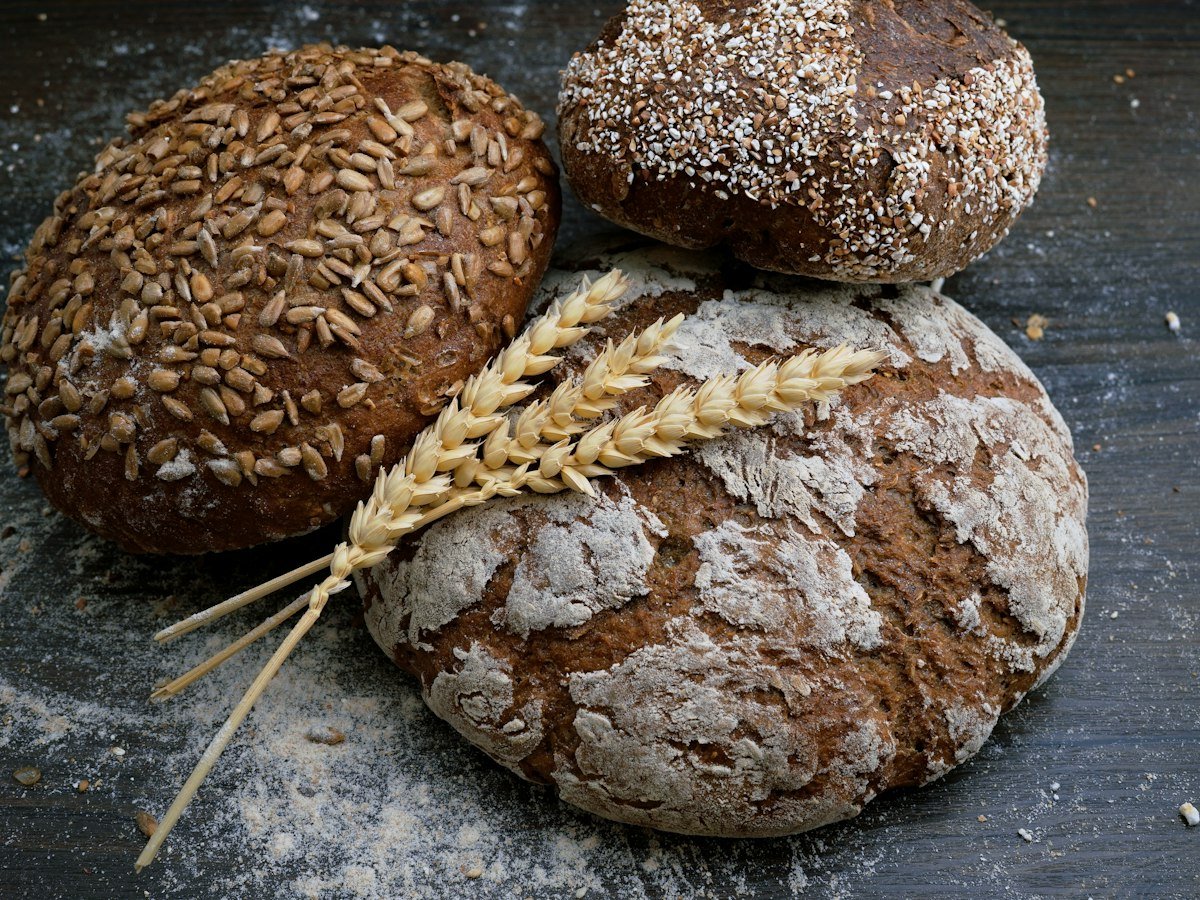
100% whole wheat is usually the better choice, because “multigrain” only means a product contains more than one grain. Those grains may be refined, and many multigrain breads are mostly white flour with a few seeds or oats on top. Multigrain is only as good as 100% whole wheat when it’s also labeled 100% whole grain.
This is the label that catches most shoppers out. A brown, seedy “12-grain” loaf looks healthy. Turn it over, though, and the first ingredient is often “enriched wheat flour”, which is refined white flour.
| Label term | What it means | Whole grain? | What to check |
|---|---|---|---|
| 100% whole grain | All grains used are whole | Yes | Grains listed as “whole” |
| 100% whole wheat | All flour is whole wheat | Yes | “Whole wheat flour” listed first |
| Whole grain / made with whole grain | Contains some whole grain | Partly | Could be mostly refined flour |
| Multigrain / 7-grain / 12-grain | More than one grain | Not necessarily | Whether each grain is whole |
| Wheat bread / wheat flour | Made from wheat | Usually no | Often refined flour plus color |
| Stone-ground / cracked wheat | Describes milling | Not necessarily | Whether the bran and germ are kept |
A brown colour proves nothing either. Some breads get their colour from molasses or caramel coloring, not from whole grain.
For real numbers on how bread types compare, see our wheat versus white bread guide.
How do you read whole grain and whole wheat labels?
Check that the first ingredient begins with “whole”, such as whole wheat flour, whole oats or whole grain brown rice. Look for “100% whole grain” or “100% whole wheat” on the front. Compare fiber, aiming for at least 3 g per serving in bread. A whole grain stamp can help, but read what it says.
Here’s a quick routine for the bread aisle. First, read the front for the word “100%”. Second, read the ingredient list, because ingredients are listed by weight. Third, check the fiber line on the nutrition panel.
Some packages carry a whole grain stamp from the nonprofit Whole Grains Council. The “100%” version means all grains are whole. The basic version means at least 8 g of whole grain per serving, which can still leave a lot of refined flour.
One trap is worth knowing. Words like “unbleached”, “enriched”, “stone-ground” or “wheat” sound wholesome but don’t promise whole grain. Only “whole” does.

Do whole grain and whole wheat contain gluten?
Whole wheat always contains gluten. Whole grain products may or may not, depending on the grain. Wheat, barley and rye contain gluten. Oats, brown rice, corn, millet, sorghum, buckwheat and quinoa are naturally gluten-free, though oats are often cross-contaminated unless labeled gluten-free.
If you need to avoid gluten, that label on its own tells you nothing. Look for a gluten-free label and check the grains listed. We explain gluten in wheat in more detail in our wheat protein guide and in is black wheat gluten-free?
People with celiac disease, wheat allergy or gluten sensitivity should talk to their doctor or a registered dietitian before changing grains.
How do whole wheat and whole grain bake differently?
Whole wheat flour builds gluten, so it rises in yeast bread, though more slowly and less than white flour. Whole grain blends with oats, rice or corn have less gluten-forming protein, so they give denser, more crumbly bakes unless mixed with wheat. Both absorb more water than refined flour.
A practical tip: when swapping whole wheat flour into a white-flour recipe, start with a quarter to a half of the flour, and add about 1–2 extra tablespoons of liquid per cup. Rest the dough or batter for 15–30 minutes so the bran softens.
Oat flour and other gluten-free grains work well in pancakes, muffins and cookies, where you don’t need a strong rise. For yeast bread, wheat is still the easiest option.
Is black wheat flour whole grain?
Black wheat flour counts as whole grain only when it’s milled with the bran, germ and endosperm together. Most black wheat atta is sold that way, but not all. Look for “100% whole black wheat flour” on the label, and avoid blends that don’t state the percentage of black wheat.
Black wheat’s purple colour sits in the bran, so a whole flour is also where the colour and plant pigments are. If the bran is sifted out, you lose most of what makes black wheat different.
Some products mix a small amount of black wheat with ordinary refined flour and still use “black wheat” in the name. If a pack doesn’t say how much black wheat it contains, treat that as a warning sign. Our guide on how to identify real black wheat has simple home checks to spot tinted or diluted flour.
Frequently Asked Questions
Is whole wheat the same as whole grain?
Whole wheat is a type of whole grain. All 100% whole wheat products are whole grain, but whole grain products can also be made from oats, rice, barley, corn or other grains.
Is multigrain bread healthy?
Only if it’s also 100% whole grain. Many multigrain breads are made mostly from refined flour with a few added grains or seeds, so check that the first ingredient starts with “whole”.
Is wheat bread whole wheat?
Usually not. “Wheat bread” often means bread made from refined wheat flour. Look for “100% whole wheat” on the label instead.
Which is better for weight loss, whole grain or whole wheat?
Both 100% whole grain and 100% whole wheat give more fiber than refined grains, which may help with fullness. Portions matter most. Please consult your doctor or a registered dietitian for personal advice.
Is brown rice a whole grain?
Yes. Brown rice keeps its bran and germ, so it counts as a whole grain. It’s also naturally gluten-free.
Is black wheat flour healthier than regular whole wheat flour?
They’re similar in fiber and protein when both are whole grain. Black wheat adds anthocyanin pigments, though research on their effects is mostly lab and animal studies so far.
If you have diabetes, see is whole wheat bread good for diabetics for how whole grain bread fits a meal plan.
Watching your weight? Our guide to whole wheat for weight loss covers portions and easy swaps.
Final Thoughts
The whole grain vs whole wheat debate is less about which is better and more about reading the label. Whole wheat is whole grain made from wheat. Multigrain is only a count of grains. The words that matter are “100%” and “whole”. Mix different whole grains through the week, and if you bake, try a whole grain flatbread with our black wheat flour roti recipe.
Have a question about whole grains or black wheat? Get in touch with us.
This article is for general information only and is not medical or nutritional advice. Wheat and black wheat contain gluten.