By Black Wheat Team | Last updated: November 2026
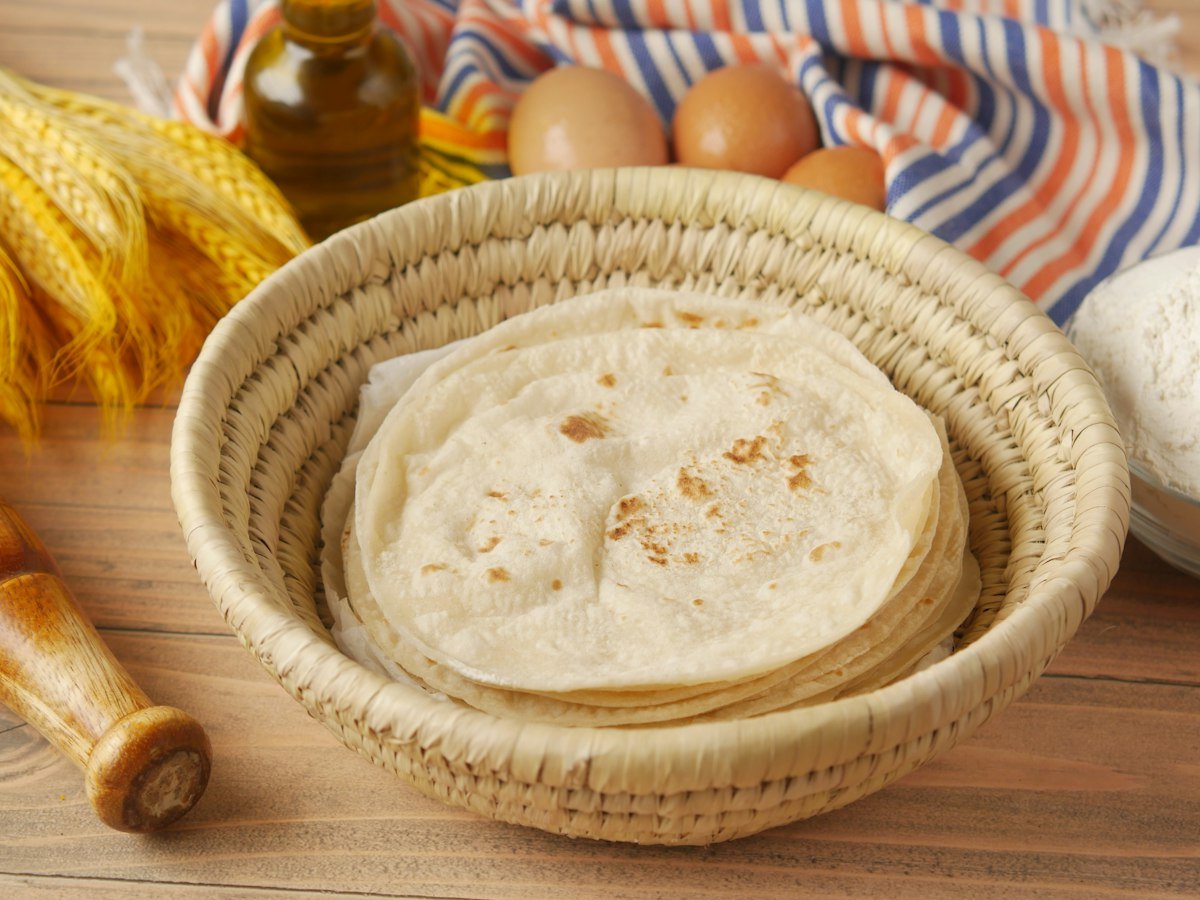
In the corn vs wheat tortilla debate, there isn’t one winner. Corn tortillas are smaller, lower in calories and fat, naturally gluten-free and whole grain. Wheat tortillas, often called flour tortillas, are softer, stretchier and better for big wraps and burritos. The healthier pick depends on the type you buy, the size, and what you put inside. If you prefer whole grain wheat, our whole wheat tortilla guide shows how to make them at home.
Key Takeaways
• Corn tortillas are made from nixtamalized corn (masa). Wheat tortillas are made from wheat flour, water, fat and salt.
• Size for size, corn tortillas usually have fewer calories, less fat, far less sodium and a bit more fiber.
• Wheat tortillas are softer and stronger, so they suit burritos, wraps and quesadillas.
• Corn tortillas are naturally gluten-free. Wheat tortillas, including whole wheat and black wheat, contain gluten.
What is the difference between corn and wheat tortillas?
Corn tortillas are made from masa, a dough of dried corn cooked and soaked in an alkaline lime solution (nixtamalization), then ground. Wheat tortillas are made from wheat flour, water, salt and fat such as lard or oil. That difference changes their flavor, texture, size, nutrition and gluten content.

Corn tortillas came first. They’ve been made in Mexico and Central America for thousands of years. Wheat tortillas arrived after the Spanish brought wheat, and they became especially popular in northern Mexico, where wheat grew well.
Nixtamalization is the step that makes corn tortillas special. Cooking corn with calcium hydroxide (cal) loosens the hull, softens the kernel and makes it possible to form a dough. It also makes niacin in corn easier for the body to use and adds calcium, which is why traditional corn tortillas are more than just ground corn.
Wheat tortillas rely on gluten instead. The gluten network is what lets a flour tortilla stretch thin and fold around a heavy filling without cracking.
Corn vs wheat tortilla nutrition: how do they compare?
For tortillas of similar weight, corn tortillas have roughly 30% fewer calories, about a third of the fat, more fiber and magnesium, and far less sodium. Wheat tortillas offer slightly more protein, iron and calcium, mainly because US flour is usually enriched. Corn tortillas also tend to be smaller, so portions are lighter.
| Approx. per tortilla (about 44–45 g) | Corn tortilla | Wheat (flour) tortilla |
|---|---|---|
| Calories | About 96 | About 138 |
| Carbohydrates | About 19.6 g | About 22.2 g |
| Fiber | About 2.8 g | About 1.6 g |
| Protein | About 2.5 g | About 3.7 g |
| Fat | About 1.3 g | About 3.6 g |
| Sodium | About 20 mg | About 331 mg |
| Magnesium | About 32 mg | About 10 mg |
| Iron | About 0.5 mg | About 1.6 mg |
These are approximate figures based on USDA data for a large corn tortilla and a medium flour tortilla. Brands differ quite a bit, so check the label or look up specific products on USDA FoodData Central.
Most corn vs flour tortilla comparisons focus on calories, but the sodium gap is the bigger surprise for most people. Flour tortillas usually contain salt plus leavening, while traditional corn tortillas need very little salt. If you’re watching sodium, that difference adds up across a plate of three tacos.
Size matters too. A typical corn tortilla is about 6 inches across, while burrito-size flour tortillas can be 10–12 inches and carry two to three times the calories of a small one.
Which is healthier, a corn or wheat tortilla?
For most people, corn tortillas are the lighter everyday choice: whole grain, lower in calories, fat and sodium, and gluten-free. A whole wheat tortilla is a good alternative if you prefer wheat, because it adds fiber. Refined white flour tortillas are the least nutritious of the three, especially in large sizes.
Corn tortillas count as whole grain because masa is made from the whole kernel. Most flour tortillas in US stores are made from refined flour. That’s where whole wheat tortillas come in. They keep the bran and germ, so their fiber is usually closer to, or higher than, corn.
Ingredient lists matter as much as the type. Some packaged corn tortillas are blended with wheat flour, and some flour tortillas contain hydrogenated oils or lots of additives. Read the label and look for short, simple ingredient lists.
If you’re managing diabetes, weight or blood pressure, are pregnant, or are feeding young children, please consult your doctor or a registered dietitian about portions and the best choice for you. For more on wheat-based choices, see black wheat for diabetes.
Are corn tortillas gluten-free?
Traditional corn tortillas made only from masa, water and lime are naturally gluten-free. Wheat tortillas always contain gluten. Some store-bought corn tortillas include wheat flour or are made on shared equipment, so people with celiac disease should choose products labelled gluten-free.
This is one of the clearest differences in the corn vs wheat tortilla comparison. Whole wheat, white flour and black wheat tortillas all contain gluten, because they’re all wheat. Black wheat is just a coloured variety of common wheat, which we explain in is black wheat gluten-free?
Restaurants are a common source of cross-contact. Corn tortillas may be warmed on the same griddle as flour ones, so it’s worth asking if you need to avoid gluten strictly.
How do corn and wheat tortillas differ in taste and texture?
Corn tortillas have a toasty, earthy corn flavor and a firmer, slightly grainy texture. They can crack if they’re cold. Wheat tortillas are mild, soft and stretchy, with a chewy bite, and they fold easily without breaking. Warming either type properly makes a big difference.

Cold corn tortillas straight from the fridge are stiff and dry. Heat them on a hot, dry skillet or directly over a gas flame for 20–30 seconds per side until they soften and pick up a few charred spots. Keep them wrapped in a towel.
Flour tortillas warm faster. A few seconds per side in a dry pan is enough to make them soft and pliable again.
When should you use corn vs wheat tortillas?
Use corn tortillas for street-style tacos, enchiladas, tostadas, chilaquiles and homemade tortilla chips. Use wheat tortillas for burritos, quesadillas, wraps, fajitas and breakfast tacos. As a simple rule, corn suits small, saucy or crisp dishes, while wheat suits big, folded or rolled fillings.
Here’s why. Corn tortillas hold up well to sauce, which is why enchiladas use them, and they fry into crisp tostadas and chips. Wheat tortillas are large and flexible, so they wrap around rice, beans and fillings without splitting.

For tacos, many people double up two small corn tortillas so the filling doesn’t break through. For quesadillas, flour tortillas melt into a crispy, golden shell that corn can’t quite match.
Want to turn wheat tortillas into chips too? Our whole wheat tortilla guide covers baked whole wheat tortilla chips.
Can you make wheat tortillas with black wheat flour?
Yes. Black wheat flour works like whole wheat flour in tortilla dough. Replace up to half the flour with black wheat and add a little extra water. You’ll get soft, purple-brown tortillas with an earthy taste and more fiber than white flour tortillas. They still contain gluten.
Black wheat gets its colour from anthocyanin pigments in the bran. Skip baking soda or baking powder if you want the colour to stay purple-brown, because alkaline dough can turn it greenish. Research on these pigments is mostly lab and animal work so far, so enjoy black wheat as a tasty whole grain rather than a health fix.
New to the grain? Start with what is black wheat, then try our black wheat flour roti recipe, which uses a very similar dough.
Frequently Asked Questions
Are corn tortillas better for weight loss than flour tortillas?
Corn tortillas are usually smaller and lower in calories and fat, which can make portions easier to manage. Fillings matter more than the tortilla, though. Please consult your doctor or a registered dietitian for personal advice.
Is a corn tortilla a whole grain?
Yes. Masa is made from the whole corn kernel, so traditional corn tortillas count as whole grain. Most white flour tortillas don’t, but whole wheat tortillas do.
Do corn tortillas have more carbs than flour tortillas?
No. For tortillas of similar weight, corn tortillas have slightly fewer carbs. Because they’re usually smaller, a single corn tortilla typically has much fewer carbs than a large flour one.
Why do corn tortillas break so easily?
Corn has no gluten to hold the dough together, and cold tortillas dry out. Warm them on a hot skillet until soft, and keep them wrapped in a towel.
Is a whole wheat tortilla healthier than a corn tortilla?
They’re close. Whole wheat tortillas often have more fiber and protein, while corn tortillas are lower in calories, fat and sodium and are gluten-free. Compare labels and choose what fits your needs.
Which tortilla is best for tacos?
Corn tortillas are traditional for street-style tacos. Flour tortillas are popular for breakfast tacos and Tex-Mex styles. Both work, so it comes down to taste.
Final Thoughts
The corn vs wheat tortilla choice comes down to how you’ll use it and what matters to you. Corn is lighter, whole grain and gluten-free. Wheat is softer, bigger and better for wrapping. And if you like wheat but want more fiber, whole wheat or black wheat tortillas are a simple upgrade. Learn how in our whole wheat tortilla recipe, or compare grains in black wheat vs regular wheat.
Have a question about tortillas or wheat? Get in touch with us.
This article is for general information only and is not medical or nutritional advice. Wheat tortillas, including whole wheat and black wheat, contain gluten.