By Black Wheat Team | Last updated: November 2026
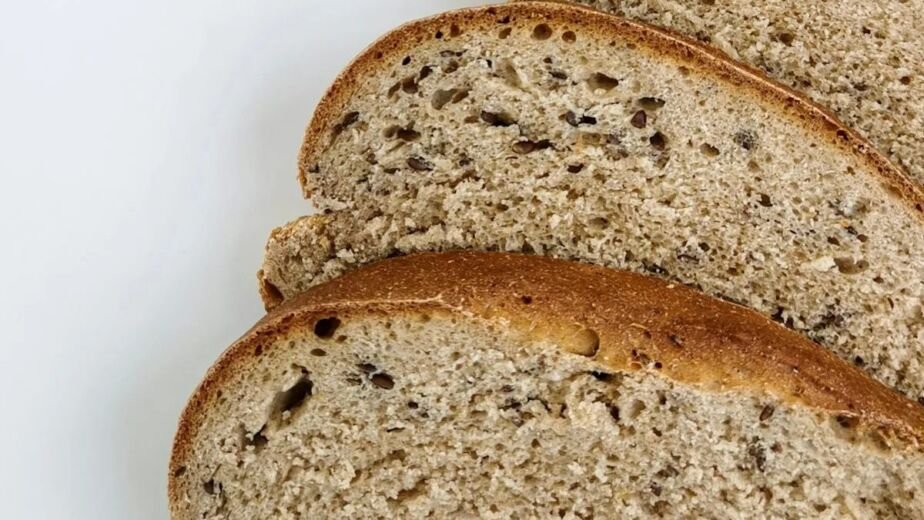
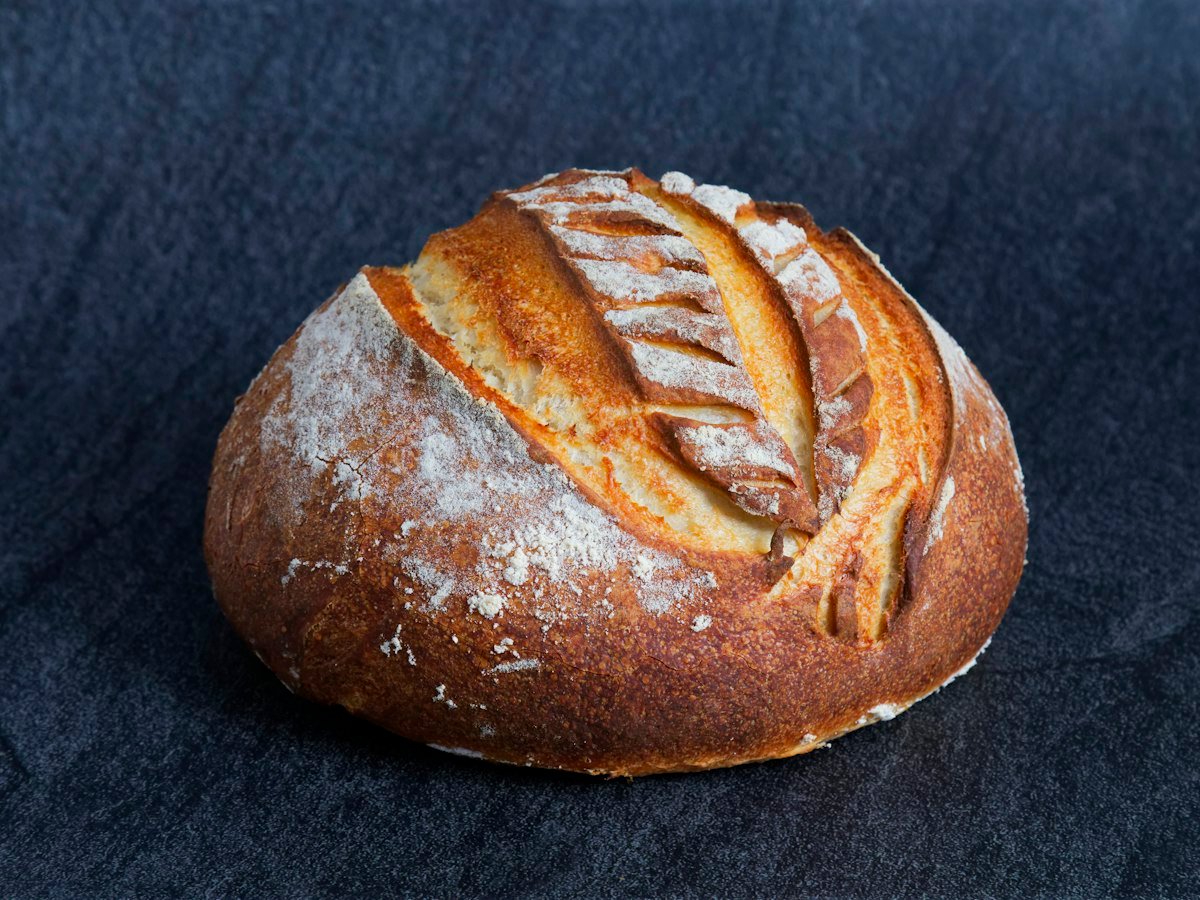
Sourdough wheat bread is bread leavened with a natural starter of wild yeast and lactic acid bacteria instead of commercial yeast. Made with whole wheat flour, or part whole wheat, it has a deeper, nutty-tangy flavor, a moist crumb and a crackly crust. It takes patience (a starter needs about a week, and a loaf about 24 hours), but most of that time is hands-off waiting. Below you’ll find how to make a whole wheat sourdough starter, a reliable half whole wheat loaf, a baking timeline, and fixes for dense or gummy bread. If you’re new to wheat bread in general, start with our guide to whole wheat and black wheat bread.
Key Takeaways
• Whole wheat flour makes a sourdough starter come alive faster than white flour.
• A 50/50 mix of whole wheat and bread flour gives good flavor with an open, easy-to-handle dough.
• Whole wheat dough needs more water and ferments faster, so watch the dough, not the clock.
• Sourdough still contains gluten, so it isn’t safe for celiac disease.
What is sourdough wheat bread?
Sourdough wheat bread is any wheat loaf raised by a sourdough starter, a fermented mix of flour and water full of wild yeast and lactic acid bacteria. The yeast makes the bread rise, while the bacteria produce lactic and acetic acids that give sourdough its tang, better keeping quality and chewy texture. It can use white, whole wheat or blended flour.
Not every “sourdough” loaf in the store is the real thing. Some are made with commercial yeast and flavored with vinegar or dried sourdough powder. Check the ingredient list: a true sourdough lists flour, water, salt and a starter (sometimes called “culture” or “levain”), with little or no added yeast.
Whole wheat sourdough tastes earthier and slightly sweeter than white sourdough, because the bran and germ add flavor and feed the starter.

How do you make a whole wheat sourdough starter?
Mix 50 g whole wheat flour with 50 g lukewarm water (about 80°F) in a clean jar, cover loosely and leave it at room temperature. Every 24 hours, discard all but 50 g and feed it 50 g flour and 50 g water. After 5–10 days, it’s ready when it reliably doubles within 4–8 hours of feeding and smells pleasantly sour.
Whole wheat flour is the best choice for starting a starter. It carries more natural yeasts and bacteria, and more nutrients for them to eat, than white flour does. Here’s what to expect:
Days 1–2: a few bubbles, maybe none. That’s normal.
Days 2–4: a sudden burst of bubbles and a strange smell, sometimes like cheese or old socks. This early activity comes from bacteria that die off as the jar gets more acidic.
Days 4–6: activity often goes quiet for a day or two. Keep feeding. Don’t give up.
Days 5–10: steady, predictable rising and a clean, yogurt-like tang. Now it’s ready to bake with.
Keeping it going: if you bake weekly, store the starter in the fridge and feed it once a week. Take it out the day before baking and give it one or two feedings at room temperature until it’s bubbly and doubling again. A gray liquid on top, called “hooch,” just means it’s hungry; pour it off and feed.
For a detailed photo guide, King Arthur Baking’s sourdough guide walks through each stage.
How do you make whole wheat sourdough bread?
Mix 250 g whole wheat flour, 250 g bread flour and 375 g water and rest 1 hour. Add 100 g active starter and 10 g salt, do four sets of stretch and folds, then let the dough rise until it grows about 50–75%. Shape, refrigerate overnight, and bake in a Dutch oven at 475°F, then 450°F.
Ingredients (one loaf): 250 g whole wheat flour (2 cups), 250 g bread flour (2 cups), 375–390 g water at about 85°F (1⅔ cups), 100 g active starter (about ½ cup), 10 g fine salt (1¾ teaspoons).
Step 1 – Autolyse: mix the flours and 375 g water until no dry bits remain. Cover and rest 1 hour. This soaks the bran and makes the dough easier to stretch.
Step 2 – Mix: add the starter, salt and the rest of the water. Squeeze and fold with wet hands for 3–4 minutes until combined.
Step 3 – Bulk fermentation: every 30 minutes for the first 2 hours, stretch one side of the dough up and fold it over, turning the bowl four times. Then leave it covered until it has grown about 50–75%, feels airy and jiggly, and shows bubbles on the sides. At 75–78°F this takes about 4–6 hours total.
Step 4 – Shape: turn out the dough, shape it into a tight round or oval, and place it seam-side up in a floured basket or towel-lined bowl.
Step 5 – Cold proof: cover and refrigerate 12–16 hours. This builds flavor and makes scoring easier.
Step 6 – Bake: preheat a Dutch oven at 475°F for 45 minutes. Turn the dough onto parchment, score it, and bake covered for 20 minutes. Uncover, lower to 450°F and bake 20–25 minutes more, until deep brown and about 205–210°F inside.
Step 7 – Cool: wait at least 2 hours before slicing. The crumb is still setting, and cutting early makes it gummy.

What does a whole wheat sourdough baking schedule look like?
A simple two-day schedule works for most home bakers: feed the starter in the morning, mix dough mid-afternoon, shape in the evening, refrigerate overnight, and bake the next morning. Whole wheat dough ferments faster than white dough, so in a warm kitchen, check it earlier than the times suggest.
| Time | Step | What to look for |
|---|---|---|
| Day 1, 9:00 am | Feed starter | Doubled and bubbly in 4–6 hours |
| Day 1, 1:00 pm | Mix flour and water (autolyse) | No dry flour left |
| Day 1, 2:00 pm | Add starter and salt | Dough comes together |
| Day 1, 2:30–4:00 pm | Stretch and folds | Dough becomes smoother and stronger |
| Day 1, 6:00–8:00 pm | Shape and refrigerate | Dough grew 50–75%, airy and domed |
| Day 2, 8:00 am | Bake | Deep brown crust, 205–210°F inside |
In winter, a kitchen at 68°F can stretch bulk fermentation to 8 hours or more; an oven with just the light on makes a warm proofing spot.
Can you make 100% whole wheat sourdough?
Yes. For 100% whole wheat sourdough, raise the water to about 80–85% of the flour weight, give the dough a longer autolyse, and shorten bulk fermentation, since whole wheat ferments quickly. Expect a tighter, softer crumb than a blended loaf. Baking it in a loaf pan is easier than shaping a free-form round.
The bran in whole wheat flour cuts through gluten strands and absorbs a lot of water, which is why fully whole wheat loaves rise less. Two tricks help:
Sift and soak: sift out the coarse bran, soak it in an equal weight of hot water, and add it back after the dough is mixed. The gluten develops better without sharp bran in the way.
Use a pan: a 9×5-inch loaf pan supports the dough so it rises up instead of spreading out. Bake at 425°F for 40–45 minutes.
Why is my whole wheat sourdough dense or gummy?
Dense whole wheat sourdough usually means the dough was underfermented, the starter wasn’t active enough, or there wasn’t enough water. A gummy crumb usually comes from underbaking or slicing before the loaf cooled. Overfermented dough can also collapse and turn dense, so look for a 50–75% rise rather than a full doubling.
Starter too weak? Use it at its peak, when it has doubled and the top is domed or just starting to fall.
Dough too stiff? Add 10–20 g more water next time. Whole wheat flours vary a lot in how much they absorb.
Crust pale and crumb wet? Bake longer and check for an internal temperature of about 205–210°F.
Is sourdough wheat bread healthier than regular bread?
Sourdough fermentation can offer some advantages. It partly breaks down phytic acid in whole wheat, which may make minerals like iron and zinc easier to absorb, and it may slightly lower the bread’s blood sugar response. According to a 2021 study in Foods, fermentation conditions changed sourdough’s estimated glycemic index. Whole wheat sourdough also keeps all the fiber of whole grain.
You can read that sourdough fermentation study on PubMed Central. Much of this research is laboratory-based, and results vary with the flour and method.
Sourdough isn’t gluten-free. Fermentation breaks down only some of the gluten, so it’s not safe for celiac disease. For blood sugar specifics, see is whole wheat bread good for diabetics, and please consult your doctor or a registered dietitian for personal advice.
Adding black wheat flour to sourdough
For a sourdough loaf, replace 20–40% of the total flour with black wheat flour. It gives a darker, purple-brown crumb and an earthier taste. Add about 3–5% more water, since the extra bran absorbs more. The bread’s acidity helps keep the crumb’s tone more purple, while alkaline ingredients like baking soda push it greenish.
In the recipe above, try 150 g black wheat flour, 100 g whole wheat and 250 g bread flour, with about 395–400 g water. Start at 20% if you’re new to it, then move up. Above 40%, the loaf gets noticeably denser. Our black wheat vs whole wheat bread guide explains why.
Why the color changes: black wheat’s purple comes from anthocyanins, natural pigments that act like a pH indicator. Sourdough’s lactic and acetic acids keep them on the red-purple side. Alkaline ingredients, such as baking soda in sourdough discard pancakes or very hard tap water, shift them toward blue-gray or green. It looks odd but is harmless.
Watch the bake: the dark crust hides normal browning, so rely on a thermometer reading of 205–210°F rather than color.
Black wheat also contains gluten. To learn more about the flour, read what is black wheat.
Frequently Asked Questions
Can I use whole wheat flour to feed my sourdough starter?
Yes. Whole wheat makes a more active, faster-rising starter. You can feed it entirely whole wheat, or mix whole wheat and white flour.
How long does it take to make a whole wheat sourdough starter?
Usually 5–10 days, depending on your kitchen temperature and flour. Warmer kitchens around 75–80°F speed it up.
Is sourdough wheat bread gluten-free?
No. Sourdough made from wheat still contains gluten and isn’t safe for people with celiac disease.
How long does homemade sourdough wheat bread last?
About 3–4 days at room temperature, cut side down or in a bread bag. Slice and freeze for up to 3 months.
Do I need a Dutch oven for sourdough?
It helps trap steam for a better rise and crust. Without one, bake on a hot baking stone or sheet and place a pan of boiling water on the rack below.
Final Thoughts
Sourdough wheat bread rewards patience: build an active whole wheat starter, use plenty of water, and judge fermentation by how the dough looks rather than the clock. Start with a half whole wheat loaf, then try more whole wheat or a share of black wheat once you’re comfortable. For more whole wheat baking, see our whole wheat pizza dough.
Have a question about sourdough or black wheat? Get in touch with us.
This article is for general information only and is not medical or nutritional advice. Sourdough, wheat and black wheat contain gluten.