
By Black Wheat Team | Last updated: November 2026
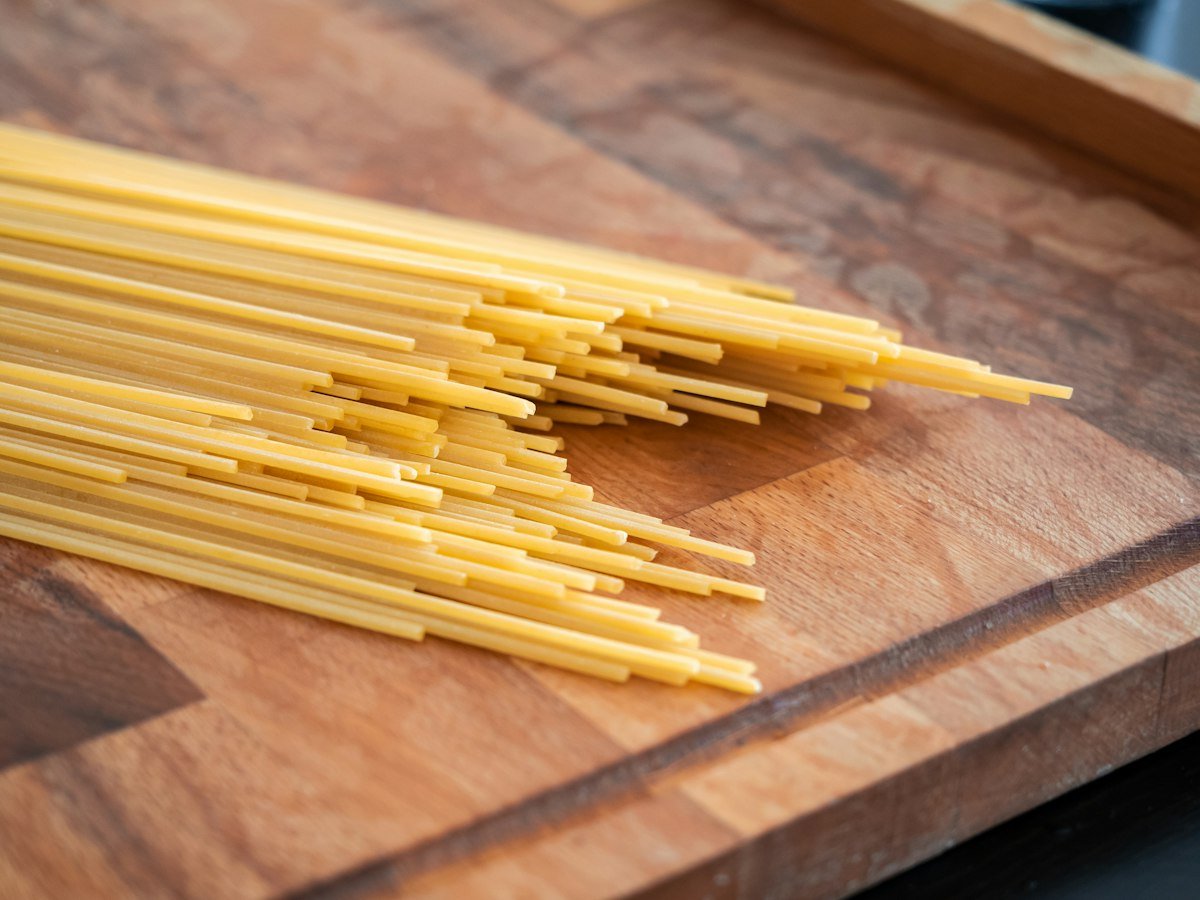
Durum semolina wheat pasta is the classic dried pasta you find on almost every US grocery shelf. It’s made from semolina, a coarse, golden flour milled from durum wheat, mixed with water and dried into firm shapes that hold their bite when boiled. If you bake with black wheat flour, you may wonder how the two compare, and whether black wheat can be used for pasta at all. It can, with a few adjustments. If black wheat is new to you, start with our guide to what black wheat is.
Key Takeaways
• Durum wheat is a hard wheat species. Semolina is its coarsely milled endosperm.
• Black wheat is a coloured variety of common bread wheat, not durum, so it makes softer pasta on its own.
• Blending black wheat flour with durum semolina gives pasta that holds its shape better.
• All of these contain gluten and are not suitable for people with celiac disease.
What is durum semolina wheat pasta made of?
It’s made from semolina milled from durum wheat (Triticum durum) and water. Durum is a very hard wheat with a yellow, glassy endosperm. Milled coarsely, it becomes semolina. Kneaded with water, extruded and dried, it gives pasta that stays firm and al dente after boiling.
Durum wheat is a different species from the common wheat used for bread and roti. Its kernels are harder and its endosperm is naturally pale yellow because of carotenoid pigments. That’s where the golden colour of a good dried spaghetti comes from.
Semolina is not a type of wheat. It’s a grind. The miller cracks the durum kernel, removes most of the bran and germ, and keeps the endosperm in sandy, coarse particles. Those particles absorb water slowly and evenly, which matters a lot when you’re pressing dough through a die.
Most packets labelled durum semolina wheat pasta in the US are also “enriched.” That means certain B vitamins and iron are added back after milling. In the US, the Food and Drug Administration sets the standard of identity for macaroni and noodle products, which is why ingredient lists look so similar from brand to brand.

Why does durum semolina make better dried pasta than regular flour?
Durum semolina has a strong, less stretchy gluten network and coarse particles, so the dough holds its shape when extruded and dried. Cooked pasta stays firm, releases less starch into the water and is less likely to turn mushy. All-purpose flour makes softer pasta that overcooks more easily.
Ever cooked homemade noodles that turned soft and sticky two minutes after they were done? That’s often a flour problem, not a cooking problem.
Common wheat flour builds gluten that is very stretchy. It’s perfect for bread that needs to rise, but too relaxed for pasta that must keep a tight shape. Durum gluten is firmer and less elastic. Combined with semolina’s coarse texture, it gives that springy al dente bite people expect.
That’s also why Italy’s traditional rules for dried pasta call for durum wheat semolina. Fresh egg pasta is a different story, and plenty of cooks make it with fine soft-wheat flour.
How does durum semolina pasta compare with black wheat pasta?
Durum semolina pasta is golden, firm and mild. Pasta made only with black wheat flour is darker, softer, earthier and usually whole grain, with more fiber and anthocyanin pigments. It can break or go soft more easily, so most cooks blend black wheat with semolina for better texture.
| Feature | Durum semolina pasta | Black wheat pasta |
|---|---|---|
| Wheat species | Triticum durum | Triticum aestivum (coloured variety) |
| Milling | Refined endosperm (semolina) | Usually whole grain flour |
| Colour | Golden yellow | Purple-brown to dark grey |
| Texture when cooked | Firm, al dente | Softer, can be fragile |
| Flavor | Mild, slightly sweet | Earthy, nutty |
| Fiber | Lower (unless whole durum) | Higher |
| Anthocyanin pigments | Negligible | Present |
| Contains gluten | Yes | Yes |
One honest point about those anthocyanins. Research on coloured wheat, including work from India’s National Agri-Food Biotechnology Institute (NABI), shows black wheat contains more of these pigments than ordinary wheat. Most studies on their effects are lab or animal studies, and human trials are limited. Boiling can also wash out or break down part of these compounds, so cooked pasta keeps only some of what the raw flour had.
For a broader look at how the grain differs from common wheat, read black wheat vs regular wheat.
Prefer Asian-style noodles? Our wheat noodles guide covers Chinese, Japanese and Thai types made from common wheat.
Can you make pasta with black wheat flour?
Yes. Black wheat flour contains gluten, so it forms a workable dough. On its own it gives soft, rustic noodles that suit fresh pasta better than dried shapes. For firmer pasta, blend 30–50% black wheat flour with durum semolina and add egg or a little extra kneading time.
Here’s a simple fresh pasta blend we’d suggest starting with. It serves about two to three people.

Ingredients: 100 g (about ¾ cup) black wheat flour, 150 g (about 1 cup) fine durum semolina, 2 large eggs, and 1–3 tablespoons water as needed.
Method: Mix both flours in a bowl and make a well. Add the eggs and stir with a fork, pulling in flour little by little. Knead for 8–10 minutes until smooth and firm, adding water a teaspoon at a time only if it stays crumbly. Wrap and rest for 30 minutes so the bran softens. Roll thin, cut into tagliatelle or fettuccine, and cook in well-salted boiling water for 2–4 minutes.
Want an egg-free version? Use about 125 g (½ cup) warm water instead of eggs, knead a little longer, and expect a slightly more delicate noodle.
Prefer a higher-fiber noodle? See our whole wheat noodles guide for how to choose and cook whole grain noodles.
Is durum semolina wheat pasta healthy?
Plain durum semolina pasta can be part of a balanced diet. It provides carbohydrates, some protein and, when enriched, added B vitamins and iron. It’s lower in fiber than whole grain pasta. Portion size and what you serve with it, such as vegetables, beans or lean protein, matter most.
Pasta made from durum semolina has a dense, compact structure, and some research suggests it raises blood sugar more gradually than many breads. That doesn’t make it a low-carb food. A generous plate is still a large serving of starch.
If you want more fiber, whole durum wheat pasta or a black wheat blend are both reasonable options. You can compare basic nutrient values for different pastas on USDA FoodData Central. For what is currently known about the grain itself, see our black wheat flour nutrition facts.
If you’re managing diabetes, weight or blood pressure, are pregnant, or are cooking for young children, please consult your doctor or a registered dietitian about portions and the right pasta for you.
Want to make a whole grain version at home? Try our whole wheat pasta recipe.
How do you choose and store durum semolina wheat pasta?
Check that the first ingredient is durum wheat semolina, look for a rough, matte surface rather than a glossy one, and pick whole durum if you want more fiber. Store dried pasta in a sealed container in a cool, dry cupboard. Keep black wheat flour airtight and away from heat.
That rough surface comes from bronze dies, which some producers use instead of smoother Teflon dies. Rough pasta grabs sauce better. It usually costs a little more, often in the range of $2–$6 per pound in 2026, though prices vary widely by store, city and brand.
Dried semolina pasta keeps for a long time if it stays dry. Black wheat flour is more delicate because it’s usually whole grain and contains natural oils that can turn stale. Our guide on how to store black wheat flour covers airtight jars, fridge and freezer storage.
Buying black wheat flour for your pasta blend? Some products sold as “black” are tinted or mixed with ordinary wheat. Learn the simple checks in how to identify real black wheat.
Frequently Asked Questions
Is durum semolina wheat pasta the same as whole wheat pasta?
No. Regular durum semolina pasta is made from the refined endosperm of durum wheat. Whole wheat pasta keeps the bran and germ, so it has more fiber and a nuttier taste.
Is semolina gluten-free?
No. Semolina comes from durum wheat and contains gluten. People with celiac disease or gluten sensitivity should avoid it and ask their doctor or a registered dietitian about safe alternatives.
Can I replace semolina with black wheat flour completely?
You can for fresh pasta, but expect softer noodles that need gentle handling. For shapes that hold up well, keep at least half of the flour as durum semolina.
Does black wheat pasta change colour when cooked?
It often turns darker or slightly grey-purple. Anthocyanins react to heat and pH, so very hard or alkaline water can shift the shade. It’s harmless.
Is pasta good for people with diabetes?
Pasta can fit into many eating plans, but portion size and pairing matter. Please consult your doctor or a registered dietitian for advice that fits your health needs.
Want a quicker durum side dish? Our whole wheat couscous guide shows how to cook it in about 5 minutes.
Final Thoughts
Durum semolina wheat pasta earns its place in the pantry because of firm texture and reliable cooking. Black wheat brings colour, earthier flavor and more whole grain. Used together, they make a fresh pasta that’s both sturdy and interesting. If you’d like to keep cooking with black wheat, try our black wheat flour roti recipe or browse more ideas in our recipes section.
Have a question about pasta or black wheat? Get in touch with us.
This article is for general information only and is not medical or nutritional advice. Black wheat and durum semolina contain gluten.