By Black Wheat Team | Last updated: November 2026
This whole wheat pasta recipe makes soft, nutty fresh pasta from just whole wheat flour, eggs, olive oil and salt. It’s ready in about an hour, including a 30-minute rest, and you don’t need a pasta machine. Below you’ll get the dough, how to cut it into fettuccine or lasagna sheets, a quick garlic-tomato sauce, and tips for cooking store-bought whole wheat spaghetti, penne and lasagna noodles. Prefer Asian-style noodles? See our whole wheat noodles guide.
Key Takeaways
• The basic ratio is about 100 g flour per large egg. Use 3 eggs for 300 g flour, enough for 3–4 servings.
• Resting the dough for 30 minutes is what makes whole wheat pasta roll without tearing.
• Fresh whole wheat pasta cooks in 2–4 minutes. Dried whole wheat spaghetti and penne need 1–2 minutes less than the packet says.
• Whole wheat pasta contains gluten.
What do you need for homemade whole wheat pasta?
For this whole wheat pasta recipe you need 300 g (about 2½ cups) whole wheat flour, or 200 g whole wheat plus 100 g fine semolina for a smoother dough, 3 large eggs, 1 tablespoon olive oil, ½ teaspoon salt, and 1–3 tablespoons water. A rolling pin and a sharp knife are enough. A pasta machine just makes it faster.
Here’s a simple overview of the recipe:
| Recipe detail | Amount or time |
|---|---|
| Whole wheat flour | 300 g (about 2½ cups), or 200 g plus 100 g fine semolina |
| Eggs | 3 large |
| Olive oil | 1 tbsp |
| Salt | ½ tsp |
| Water | 1–3 tbsp, only if needed |
| Prep and kneading | 15 minutes |
| Resting | 30 minutes (do not skip) |
| Cooking time | 2–4 minutes for fresh pasta |
| Serves | 3–4 |
Finely ground whole wheat flour gives the smoothest pasta. Coarse, stone-ground flour works too, but the strands look more rustic and can tear at the edges. If you’re not sure what you have, our whole wheat flour guide explains the different types.
How do you make whole wheat pasta dough?
Mound the flour and salt, make a well, add the eggs and olive oil, and stir with a fork, pulling in flour gradually. Knead for 8–10 minutes into a firm, smooth dough, adding water a teaspoon at a time only if it stays crumbly. Wrap it and rest for 30 minutes.
1. Make a well. Mix the flour and salt on a clean counter or in a wide bowl. Push it into a mound with a deep well in the middle, like a volcano.
2. Add eggs and oil. Crack the eggs into the well and add the olive oil. Beat them lightly with a fork, then slowly pull in flour from the inside walls until a thick paste forms.
3. Bring it together. Use your hands or a bench scraper to work in the rest of the flour. Whole wheat dough often looks too dry at this stage. Before adding water, knead for 2 minutes. The bran slowly releases the moisture it soaked up.
4. Knead. Knead for 8–10 minutes. The dough should be firm and smooth, and should spring back slowly when pressed. If it’s sticky, dust with flour. If it cracks, wet your hands and keep kneading.
5. Rest. Wrap tightly in plastic or a beeswax wrap and rest at room temperature for 30 minutes. This softens the bran and relaxes the gluten, so the dough rolls thin instead of shrinking back.

How do you roll and cut fettuccine and lasagna sheets?
Divide the dough into 4 pieces. Roll each into a thin sheet, about 1–2 mm, on a lightly floured surface. For fettuccine, dust, fold loosely and cut into ¼-inch (6 mm) strips. For lasagna, cut sheets to fit your pan. Shake strips apart and dust with semolina or flour.
Keep the pieces you’re not rolling wrapped so they don’t dry out. Roll from the center outward, turning the sheet often. If it shrinks back, cover it and let it rest for 5 minutes, then try again.
With a pasta machine, start on the widest setting, fold the sheet in thirds and roll it through twice. Then work down to the second-thinnest setting. Whole wheat dough tears more easily on the very thinnest setting.
Fresh lasagna sheets don’t need to be boiled first if they’re thin and your sauce is fairly wet. Just layer them in the dish and bake as usual. Pappardelle are simply wider strips, about 1 inch (2.5 cm), and they’re excellent with hearty mushroom or meat sauces.
How do you cook fresh whole wheat pasta?
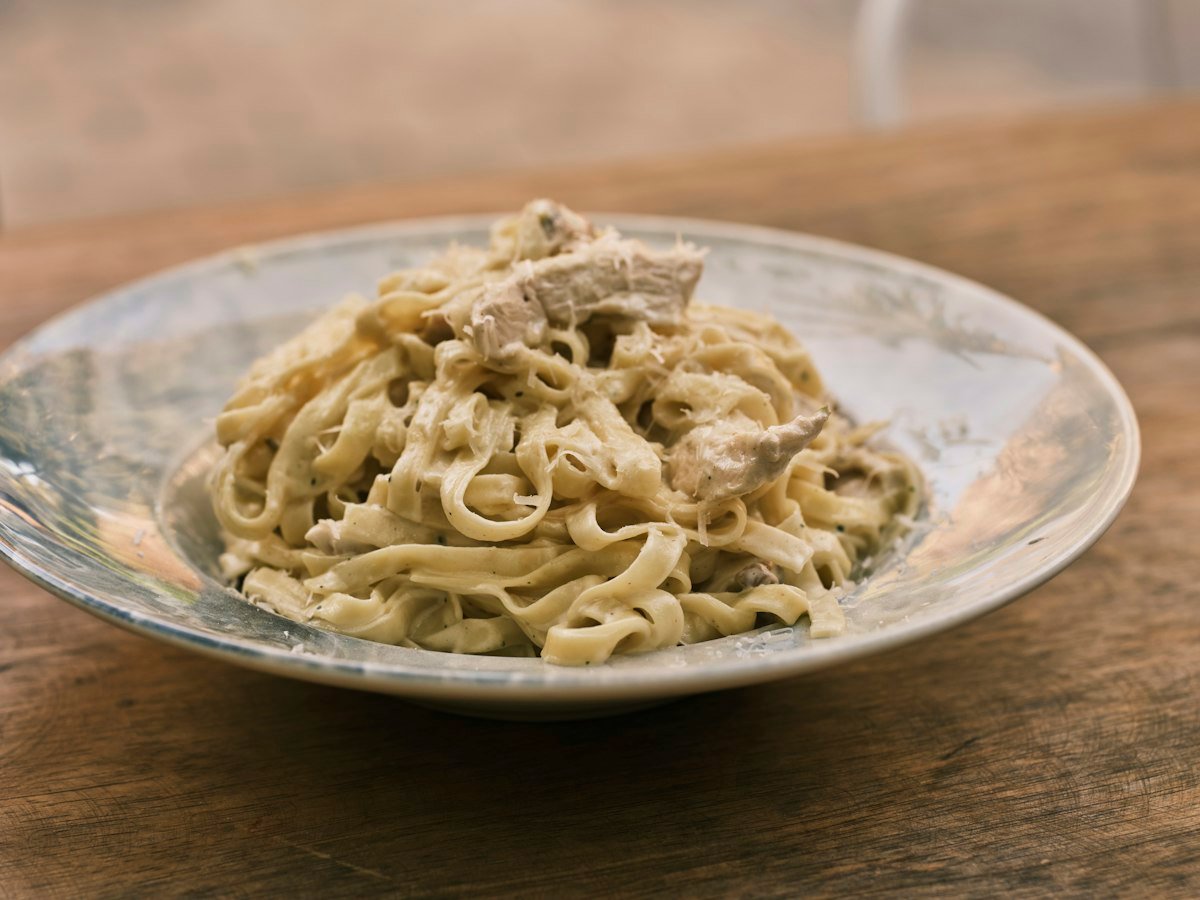
Bring a large pot of water to a rolling boil and salt it well, about 1 tablespoon per 4 quarts (4 litres). Add the pasta, stir right away, and cook for 2–4 minutes until tender but still slightly firm. Save a cup of the cooking water before draining.
That reserved pasta water is the secret to a silky sauce. The starch in it helps the sauce cling to the slightly rough surface of whole wheat pasta.
What sauce goes best with whole wheat pasta?
Whole wheat pasta pairs best with bold, savory sauces: garlic and olive oil, tomato, pesto, mushrooms, roasted vegetables, sausage or a hearty ragù. Its nutty flavor can overpower very delicate cream sauces. A quick garlic, tomato and spinach sauce takes about 15 minutes.
Quick garlic-tomato-spinach sauce (serves 3–4): warm 3 tablespoons olive oil in a large pan over medium heat. Add 4 sliced garlic cloves and a pinch of chili flakes, and cook for 1 minute without browning. Add one 14-ounce (400 g) can of crushed tomatoes and simmer for 10 minutes. Stir in 2 big handfuls of spinach until wilted, then season with salt and pepper.
The same sauce works well with dried whole wheat penne. Toss the cooked pasta straight into the pan with a splash of pasta water, and stir for a minute so the sauce coats every strand. Finish with grated Parmesan or a drizzle of olive oil.

How do you cook store-bought whole wheat spaghetti, penne and lasagna noodles?
Cook dried whole wheat spaghetti and whole wheat penne in plenty of salted water, starting to taste 1–2 minutes before the packet time, because whole wheat pasta turns soft quickly. For whole wheat lasagna noodles, boil them about 2 minutes less than directed, or use no-boil sheets with a little extra sauce.
Whole wheat spaghetti is great for quick weeknight dishes like aglio e olio, puttanesca or a simple tomato sauce. Finish it in the pan with the sauce so it soaks up flavor.
Whole wheat penne holds chunky sauces well and is ideal for baked pasta. Undercook it by about 2 minutes if it’s going into the oven, because it keeps cooking in the sauce.

Whole wheat lasagna noodles absorb more liquid than regular ones. Add about ½ cup (120 ml) extra sauce or a little water to the dish, cover it with foil for most of the baking time, and let the lasagna rest for 15 minutes before cutting.
In 2026, whole wheat spaghetti and penne are common in US supermarkets. Whole wheat lasagna noodles are harder to find and may only be in larger or natural-food stores. A homemade batch is a good alternative.
Making this pasta with black wheat flour
To make this pasta with black wheat flour, replace up to half of the whole wheat flour with black wheat flour. The dough turns grey-purple to brown, needs a little more water, about 1–2 extra tablespoons, and should rest for the full 30 minutes. It rolls, cuts and cooks exactly the same way.
Black wheat flour is usually whole grain, so it behaves much like whole wheat flour, just a little thirstier. Add water a teaspoon at a time until the dough feels like firm modeling clay. The 30-minute rest matters even more here, because the extra bran needs time to soak up moisture.
The colour comes from anthocyanin pigments in black wheat’s bran. Expect a grey-purple dough that cooks to a deeper brown or plum colour. Cooking times stay the same: 2–4 minutes for fresh strands. Using 100% black wheat flour works, but the dough is more fragile, so roll it slightly thicker.
New to the grain? Read what is black wheat. For a pasta that blends black wheat with durum semolina, see our durum semolina wheat pasta guide.
Is whole wheat pasta healthier than regular pasta?
Whole wheat pasta usually has about twice the fiber of regular enriched pasta, according to USDA FoodData Central, plus more minerals such as magnesium and zinc. Calories are similar. It’s a good whole grain swap, but portion size and sauce still matter. It contains gluten.
You can compare specific products on USDA FoodData Central.
If you’re managing diabetes, weight or blood pressure, are pregnant, or are cooking for young children, please consult your doctor or a registered dietitian about portions. Anyone with celiac disease should avoid wheat pasta, as explained in is black wheat gluten-free?
How do you store homemade whole wheat pasta?
Toss fresh whole wheat pasta with flour or semolina, coil it into nests, and refrigerate in an airtight container for up to 2 days. For longer storage, freeze the nests on a tray, then bag them for up to 1 month. Cook frozen pasta straight from the freezer, adding a minute.
Frequently Asked Questions
Can I make whole wheat pasta without eggs?
Yes. Replace each egg with about 50 ml (3½ tablespoons) of warm water plus a teaspoon of olive oil. The pasta will be a little less rich and slightly more fragile, so roll it a bit thicker.
Why is my whole wheat pasta dough crumbly?
Whole wheat flour absorbs water slowly. Knead for a couple of minutes before adding water, then add it a teaspoon at a time and let the dough rest for 30 minutes.
Do I need a pasta machine?
No. A rolling pin and a sharp knife work fine for fettuccine, pappardelle and lasagna sheets. A machine just makes thin, even sheets faster.
Do whole wheat lasagna noodles need to be boiled?
Dried ones usually do, unless the box says no-boil. Fresh homemade sheets don’t need boiling if they’re thin and the sauce is fairly wet.
Is whole wheat pasta good for weight loss?
Its extra fiber may help you feel full, but portions and sauces matter more. Please consult your doctor or a registered dietitian for personal advice.
Does black wheat pasta taste different?
Slightly. It’s earthier and a little sweeter than regular whole wheat pasta, with a darker colour. In a tomato or garlic sauce, most people notice the colour more than the taste.
For another fast whole grain option, try our whole wheat couscous with a lemon-herb salad.
For a smaller pasta shape, see our whole wheat orzo guide, with a Greek orzo salad.
Final Thoughts
This whole wheat pasta recipe takes a little patience, mostly that 30-minute rest, but the result is fresh, nutty and far better than you’d expect. Keep the 100 g flour per egg ratio in mind, pair it with a bold sauce, and don’t overcook it. For another easy whole grain dough, try our black wheat flour roti recipe.
Have a question about this recipe or black wheat? Get in touch with us.
This article is for general information only and is not medical or nutritional advice. Whole wheat pasta and black wheat contain gluten.