
By Black Wheat Team | Last updated: November 2026
Whole wheat for weight loss can be a smart choice, but not because it melts fat. Whole wheat keeps the bran and germ, so it has more fiber than white flour, which helps meals feel more filling and slows how fast you get hungry again. Research links whole grain eating with lower body weight over time, though trials show the effect is modest. The real wins come from which whole wheat foods you choose and how much you eat. If you’re still deciding between loaves, our wheat versus white bread guide compares them side by side.
Key Takeaways
• Whole wheat isn’t lower in calories than white flour, but its fiber can help you feel full on less.
• Less processed forms like bulgur, wheat berries and whole wheat pasta tend to be more filling than bread or crackers.
• Portion size and what you put on top matter more than the flour itself.
• For a personal weight loss plan, talk to your doctor or a registered dietitian.
Is whole wheat good for weight loss?
Whole wheat can support weight loss when it replaces refined grains, because its fiber and protein help you feel full and may reduce snacking. It isn’t a low-calorie food, though. A slice of whole wheat bread has about the same calories as white bread, so weight loss still depends on your total calories and portions.
Think of whole wheat as a better-quality carb, not a free pass. A whole wheat bagel with cream cheese can easily reach 400 calories. A bowl of whole wheat pasta with vegetables and chicken, at a sensible portion, keeps you satisfied for hours on far less.
Most US adults eat well below the recommended amount of whole grains, so swapping refined grains for whole wheat is one of the simplest changes you can make without giving up bread, pasta or cereal altogether.

What does research say about whole grains and weight?
According to a 2019 review of observational studies and randomized trials published in Nutrients, people who eat more whole grains tend to have lower body weight and waist size. Controlled trials showed little change in body weight over short periods, but a small reduction in body fat percentage. Whole grains seem to help modestly, not dramatically.
You can read that review of whole grain intake and body weight on PubMed Central. Observational studies can’t prove cause and effect, since whole grain eaters often exercise more and eat more vegetables too.
One well-controlled trial gives a clue to why it might help. In a 2017 study from Tufts University, 81 adults ate either whole grain or refined grain diets with all food provided. The whole grain group ended up with close to 100 extra calories a day “lost”, through slightly higher resting metabolism and more calories passing out in stool. The researchers urged caution, and the study was partly industry-funded, but it fits the bigger picture.
Observational data from the long-running Framingham Heart Study also linked higher whole grain intake with less visceral (belly) fat, and higher refined grain intake with more. Again, that’s an association, not proof.
Which whole wheat foods are best for weight loss?
The most filling whole wheat foods are the least processed: bulgur, wheat berries, cracked wheat and whole wheat pasta. These take longer to chew and digest than finely milled bread, crackers or wraps. Plain shredded wheat cereal and 100% whole wheat bread are good everyday picks if portions stay sensible.
| Whole wheat food | Typical portion | Calories (approx.) | Fiber (approx.) |
|---|---|---|---|
| Cooked bulgur | 1 cup | 150 | 8 g |
| Cooked whole wheat pasta | 1 cup | 175 | 6 g |
| Plain shredded wheat | 2 biscuits | 160–170 | 5–6 g |
| 100% whole wheat bread | 1 slice | 70–110 | 2–3 g |
| Large whole wheat tortilla | 1 (10-inch) | 180–220 | 3–5 g |
| Whole wheat crackers | 1 oz (28 g) | 120–130 | 3 g |
Values are approximate and vary a lot by brand, so check the Nutrition Facts panel. Notice how bulgur gives you the most fiber for its calories, while crackers and big wraps pack calories into a small, easy-to-overeat portion. Our guide to how to cook bulgur wheat makes it an easy weeknight swap.
Not sure the bread is truly whole grain? Our whole grain vs whole wheat guide explains what the labels mean.
How much whole wheat should you eat to lose weight?
A practical guide is to fill about a quarter of your plate with whole grains, half with vegetables, and a quarter with protein. For most adults that’s roughly 1 cup cooked pasta or bulgur, or 1–2 slices of bread per meal. Your exact needs depend on age, size and activity, so a dietitian can set personal targets.
A few kitchen habits make portions easier:
Weigh pasta dry once. A 2-ounce (56 g) serving looks small in the bag. Seeing it a few times trains your eye better than any guess.
Use a smaller bowl for cereal. Most people pour two or three servings into a big bowl without noticing.
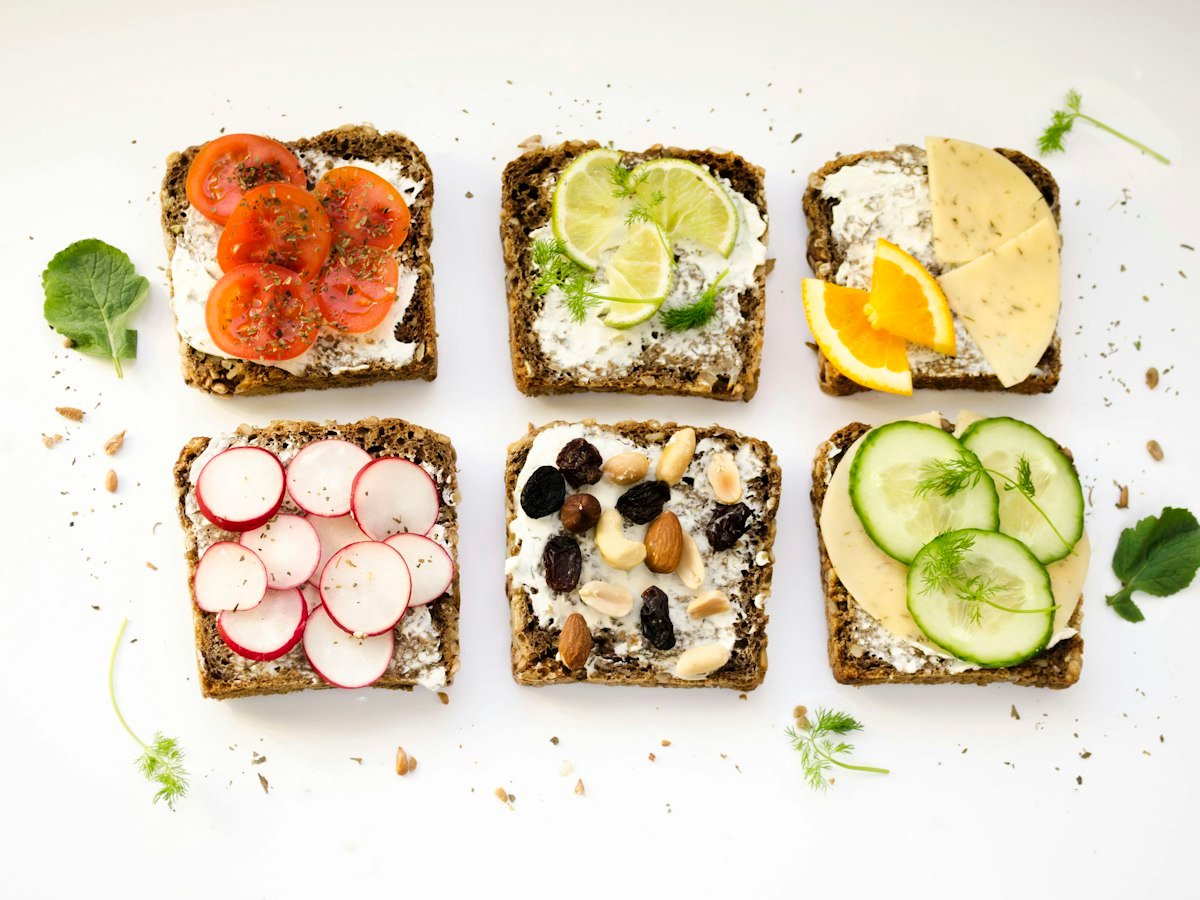
Make sandwiches open-faced. One slice of hearty whole wheat bread piled with vegetables and protein cuts about 100 calories from a regular sandwich.
Bulk up with vegetables. Half pasta, half roasted zucchini or broccoli gives you a full bowl for fewer calories.
What mistakes stop whole wheat from helping weight loss?
The most common mistakes are trusting “wheat” or “multigrain” labels that are mostly refined flour, eating larger portions because the food seems healthy, choosing sweetened whole grain cereals, granola or muffins, and loading bread with butter, cheese or sugary spreads. Whole wheat helps most when it replaces refined grains, not when it’s added on top of them.
Dietitians call it the “health halo”: once a food sounds healthy, people tend to eat more of it. Whole wheat muffins, banana bread and granola bars are good examples. They may contain whole wheat flour, but they’re also high in sugar and fat.
Another trap is the giant wrap. A 12-inch tortilla can carry as many calories as three slices of bread before you add a single filling. A smaller tortilla or a pita half is an easy fix.
Finally, watch the drinks and sauces that come with grain-based meals. Creamy pasta sauces and sweet coffee drinks often add more calories than the whole wheat itself.

What are easy whole wheat swaps for weight loss?
Easy swaps include plain shredded wheat or oats instead of sugary cereal, whole wheat pasta instead of white pasta, bulgur or wheat berries instead of white rice, and 100% whole wheat bread instead of white bread. Pair each with protein and vegetables so meals stay filling and balanced.
| Meal | Instead of | Try |
|---|---|---|
| Breakfast | Frosted cereal or a bagel | Shredded wheat with berries and milk, or whole wheat toast with eggs |
| Lunch | Sub on a white roll | Open-faced whole wheat sandwich with turkey and salad |
| Dinner | White pasta with cream sauce | Whole wheat pasta with tomato sauce, vegetables and chicken |
| Side dish | White rice | Bulgur pilaf or wheat berries |
| Snack | Pretzels or cookies | A small portion of whole wheat crackers with hummus |
If whole wheat pasta tastes too strong at first, start with a half-and-half mix of whole wheat and regular pasta and shift over a few weeks. Our whole wheat pasta recipe has tips for better texture.
Is wheat bad for belly fat?
There’s no strong evidence that whole wheat itself causes belly fat in people who tolerate gluten. Popular claims linking wheat to belly fat mostly lack support from controlled trials. Studies actually associate whole grain intake with less belly fat. Excess calories, especially from refined grains and added sugar, are the more likely drivers.
That said, some people feel bloated after wheat, and a few have celiac disease, wheat allergy or other conditions that require avoiding it. Bloating isn’t the same as fat gain, but if wheat regularly causes digestive symptoms, see your doctor before cutting it out. Our gluten and wheat free diet plan covers what to eat if you do need to avoid it.
What about black wheat for weight loss?
Black wheat is a whole wheat variety with similar calories to regular whole wheat, plus natural purple pigments in its bran. It can fit a weight loss plan in the same way as other whole wheat, mainly through fiber and fullness, but it isn’t a fat burner. It also contains gluten.
We cover rotis, portions and a sample day in our separate guide to black wheat for weight loss.
Frequently Asked Questions
Is whole wheat bread good for weight loss?
100% whole wheat bread can fit a weight loss plan because of its fiber, but it has similar calories to white bread. Keep it to 1–2 slices per meal and watch the toppings.
Does whole wheat have fewer calories than white flour?
No. Whole wheat and white flour have similar calories per cup. Whole wheat’s advantage is more fiber, vitamins and minerals.
Is whole wheat pasta better for weight loss than white pasta?
It’s usually more filling because it has about two to three times the fiber. Calories per cup are similar, so portion size still matters.
Can I eat whole wheat every day and still lose weight?
Yes, many people do, as long as total calories fit their goal. Please consult your doctor or a registered dietitian for a plan that suits you.
Should I cut out wheat completely to lose weight?
Not unless you have a medical reason. Cutting wheat often means cutting a major fiber source, and many wheat-free products aren’t lower in calories.
What is the best time to eat whole wheat for weight loss?
There’s no proven best time. Eating whole grains at breakfast or lunch may help some people avoid getting overly hungry later in the day.
Final Thoughts
Whole wheat for weight loss works best as a swap, not an addition: trade refined grains for less processed whole wheat foods, keep portions to about a quarter of your plate, and watch the toppings. The research suggests a modest benefit, and modest changes kept up over months are what really add up. To learn more about the fiber-rich parts of the grain, read our guide to wheat germ vs wheat bran.
Have a question about whole wheat or black wheat? Get in touch with us.
This article is for general information only and is not medical or nutritional advice. Wheat and black wheat contain gluten.